
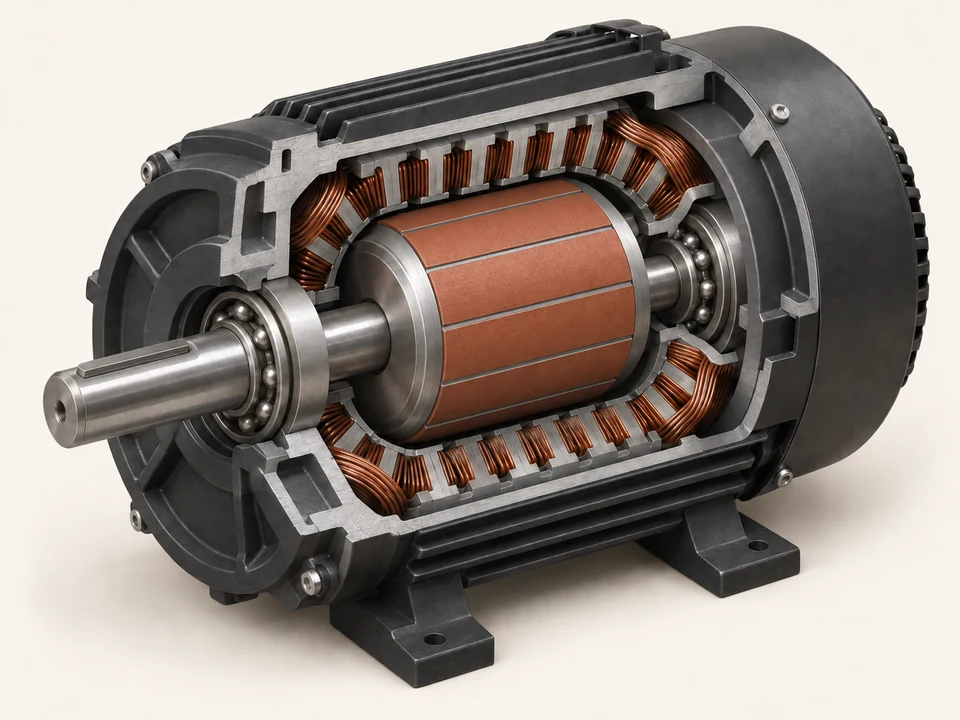
Electric mobility
Permanent-magnet motors can deliver high power density in compact drivetrains.
Examples
- Electric-vehicle traction motors
- Electric power steering
- Compact high-efficiency motors
Explore by technology
Most technologies use several materials for different jobs. Explore those roles, open any element profile, then return to the results Magnes has reported.
Industry examples · Magnes has not defined a productStart with a technology
Select a field to see typical uses, then open any element for its properties and Minas Americas reporting context.
16 technology families shown.
Permanent-magnet motors can deliver high power density in compact drivetrains.
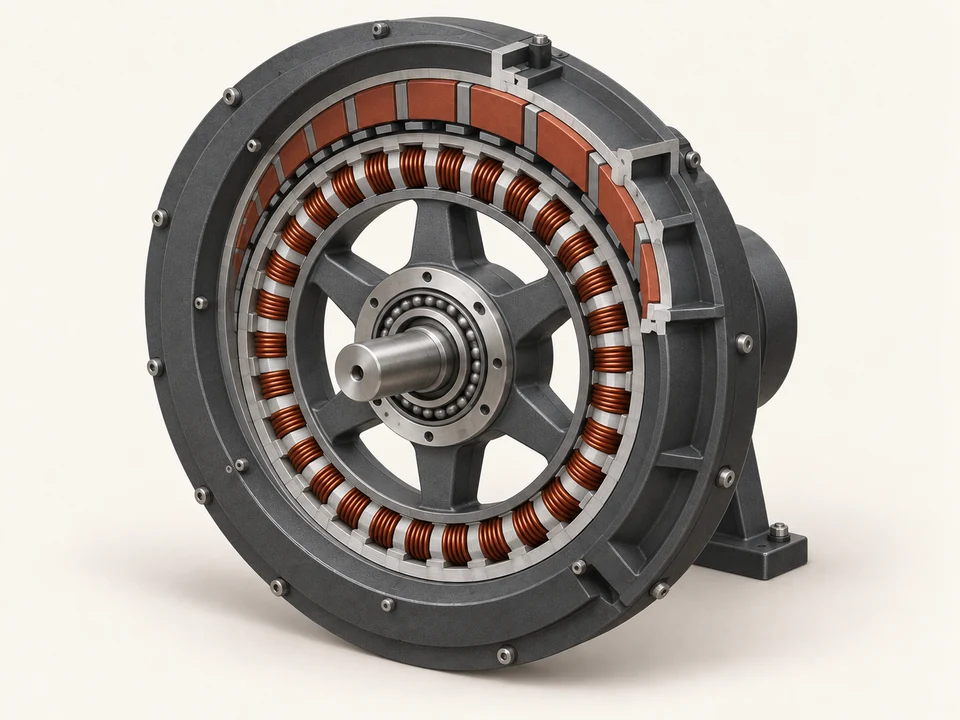
Permanent magnets are used in certain generator architectures to reduce size and maintenance requirements.
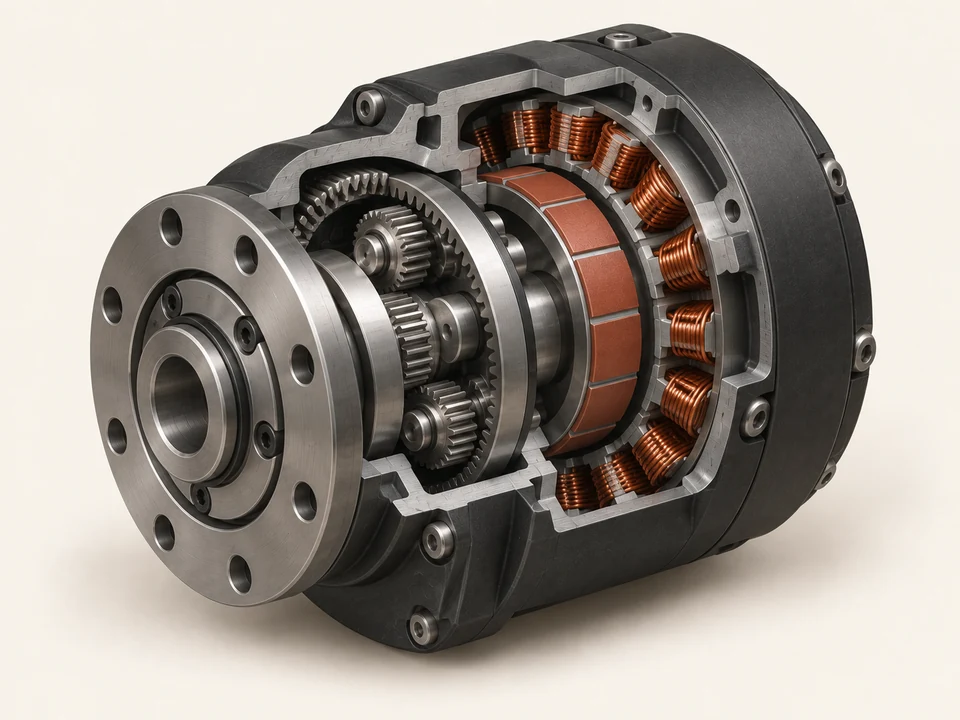
Compact magnets, sensors and actuators support precise movement and control.
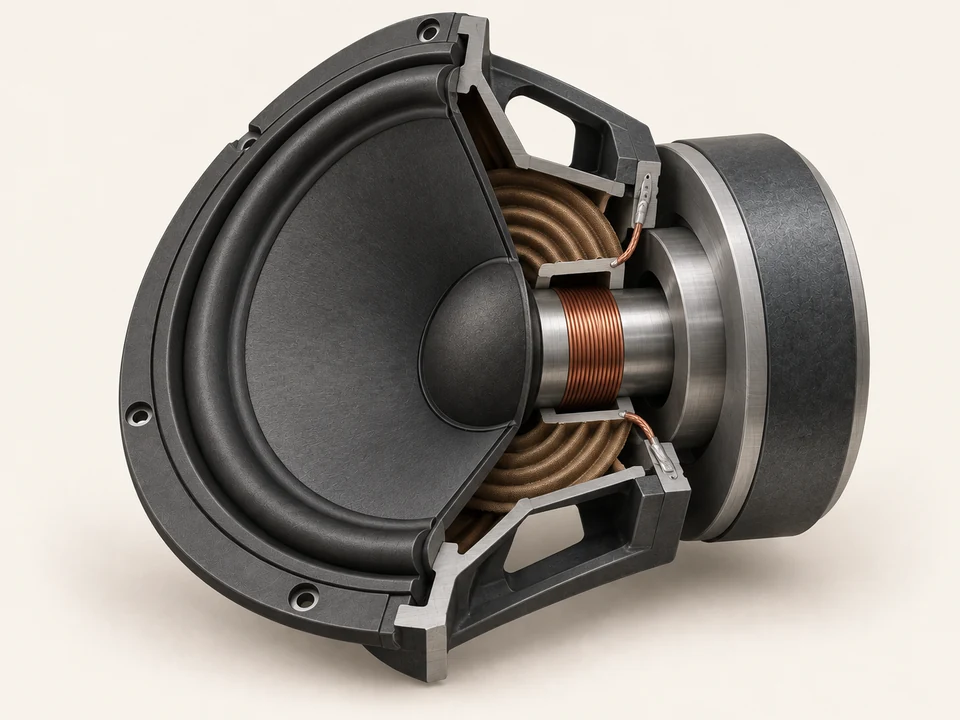
Small permanent magnets translate electrical signals into motion and sound and support compact data systems.
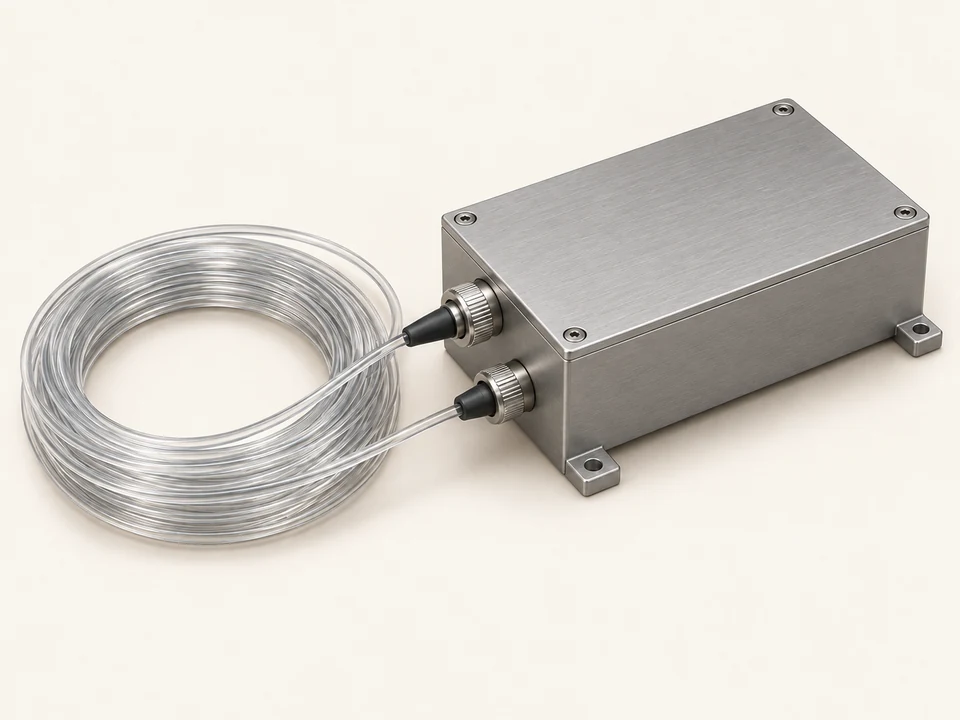
Rare-earth-doped fibre can amplify and manage light signals over long distances.
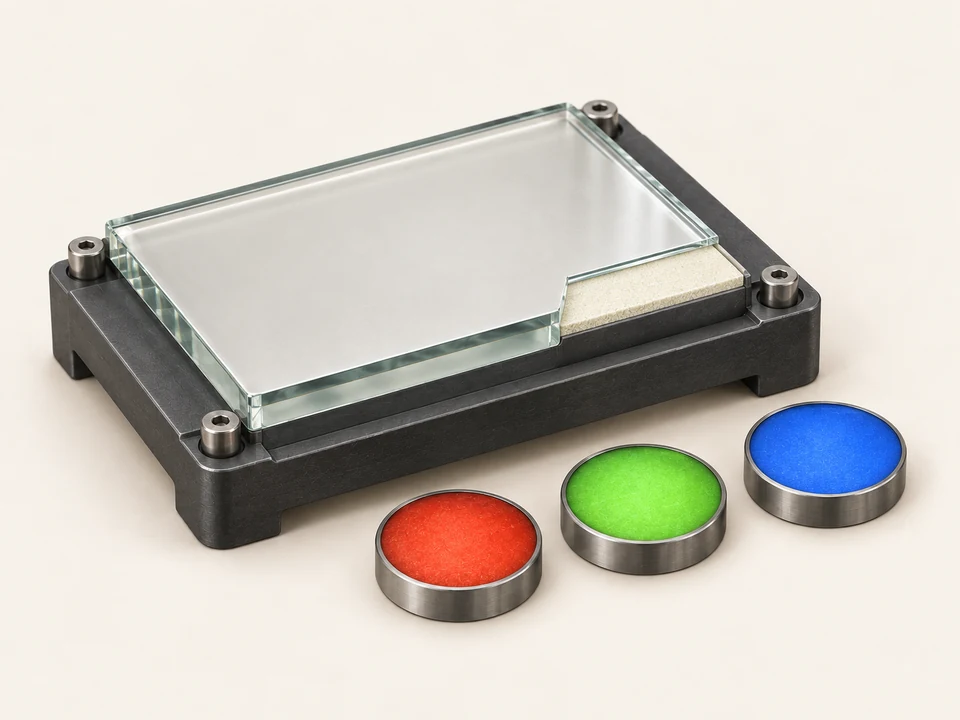
Phosphors convert energy into precise colours for screens, lamps and optical systems.
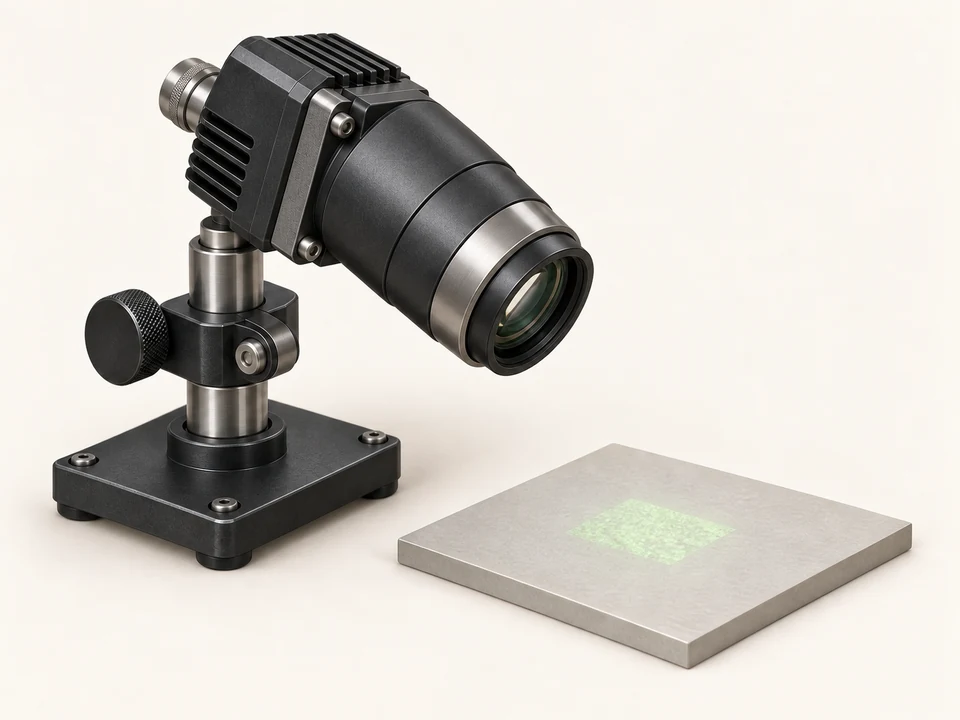
Distinct luminescent signatures can help authenticate documents, products and materials.
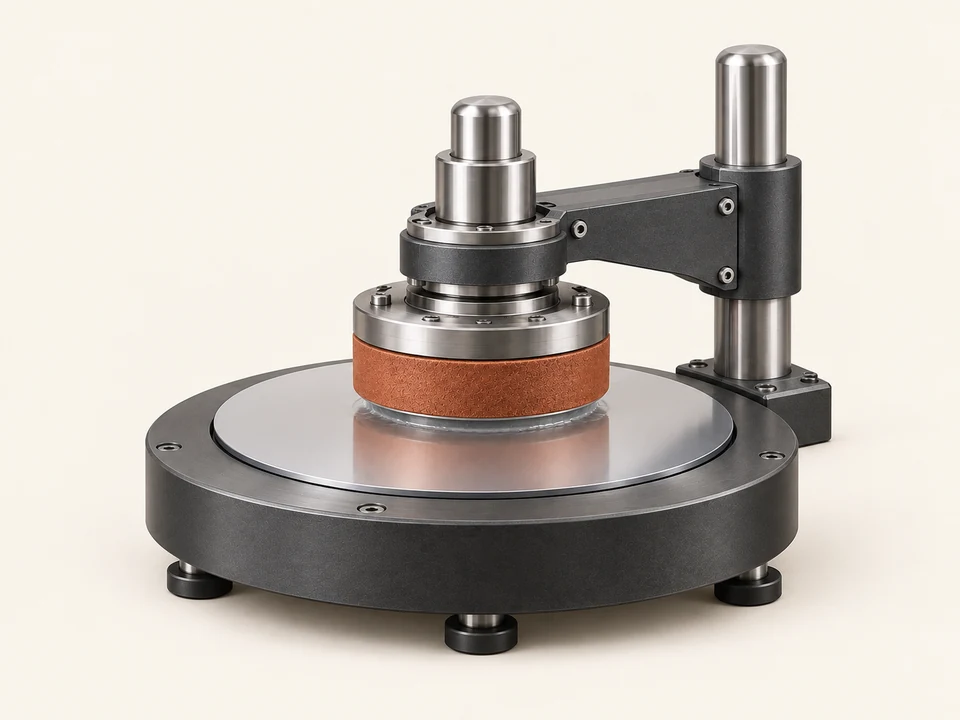
High-purity polishing compounds help create the extremely flat surfaces required in advanced manufacturing.
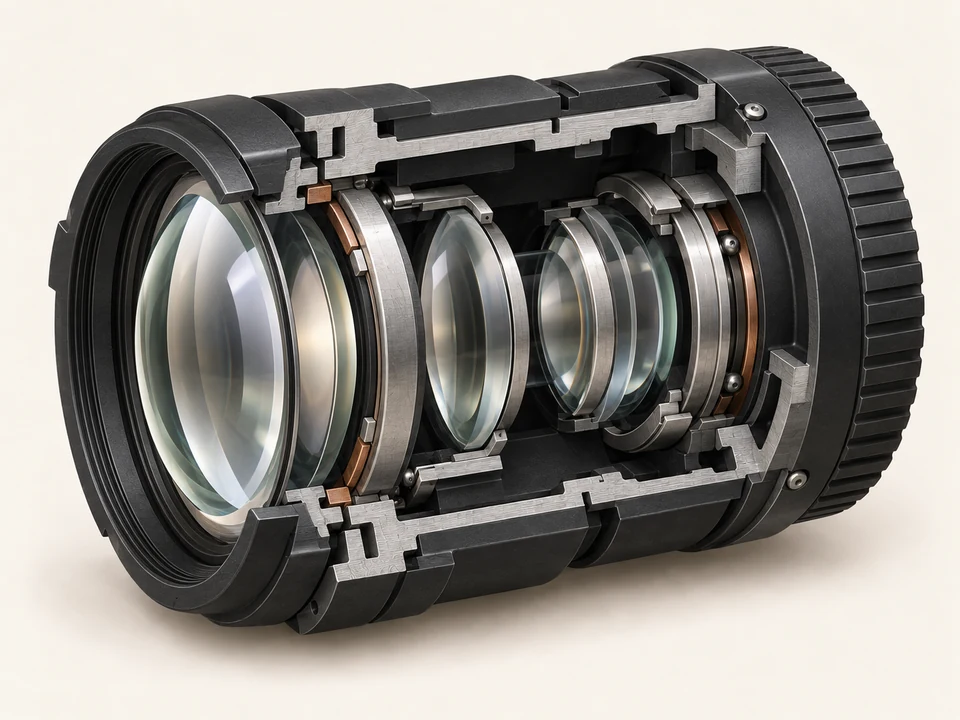
Rare-earth compounds can tune refractive index, colour, UV response and laser behaviour.
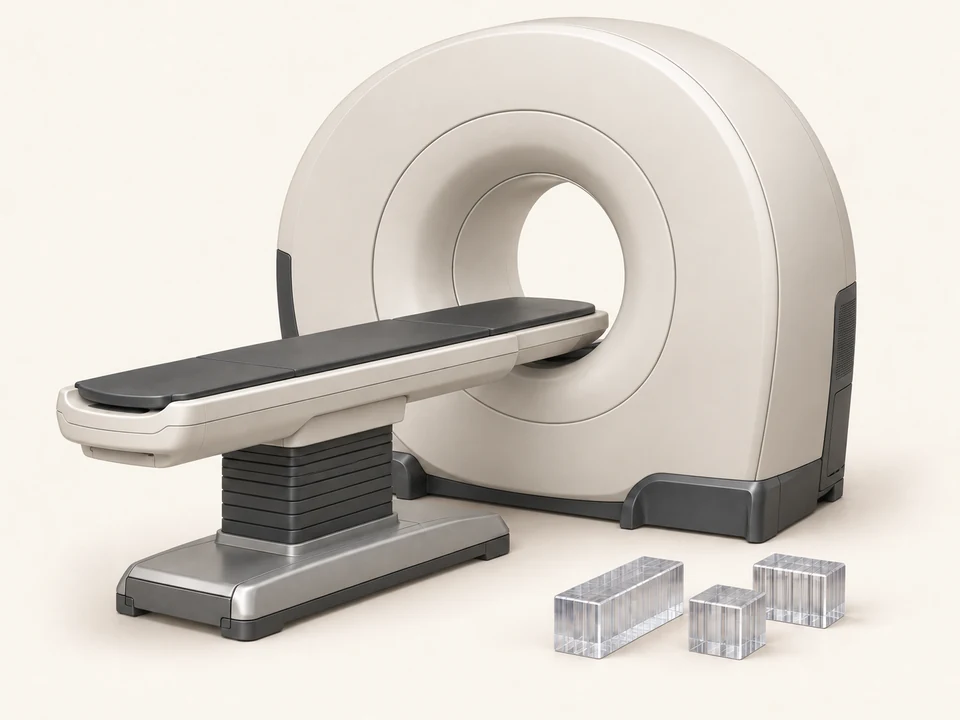
Regulated compounds, crystals, lasers and produced isotopes support diagnosis and targeted treatment.
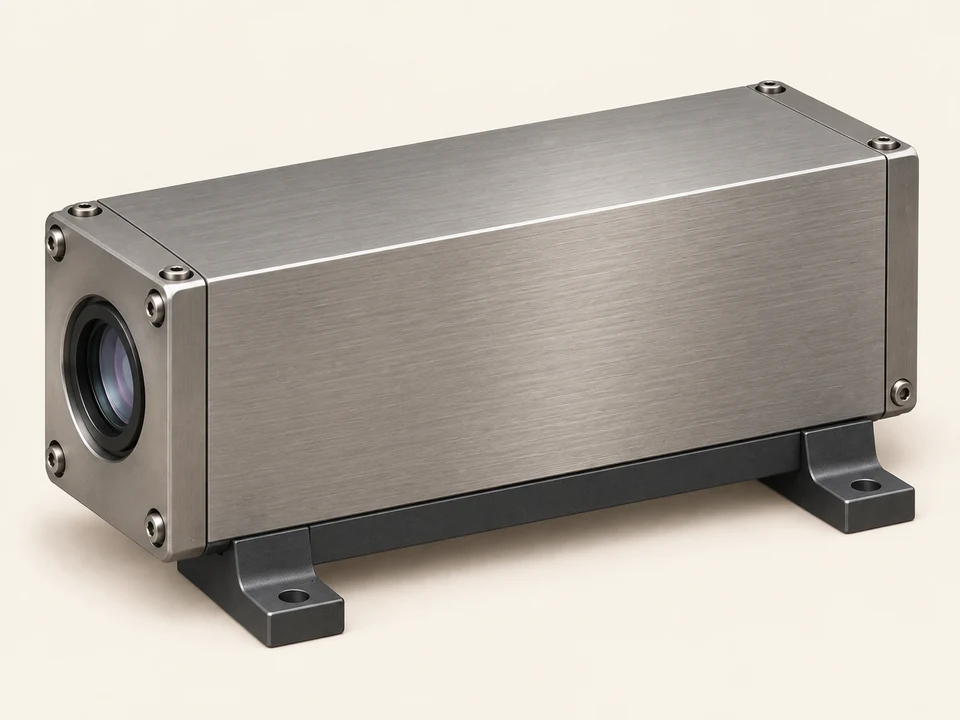
Different rare-earth ions produce distinct wavelengths for cutting, communications, medicine and metrology.
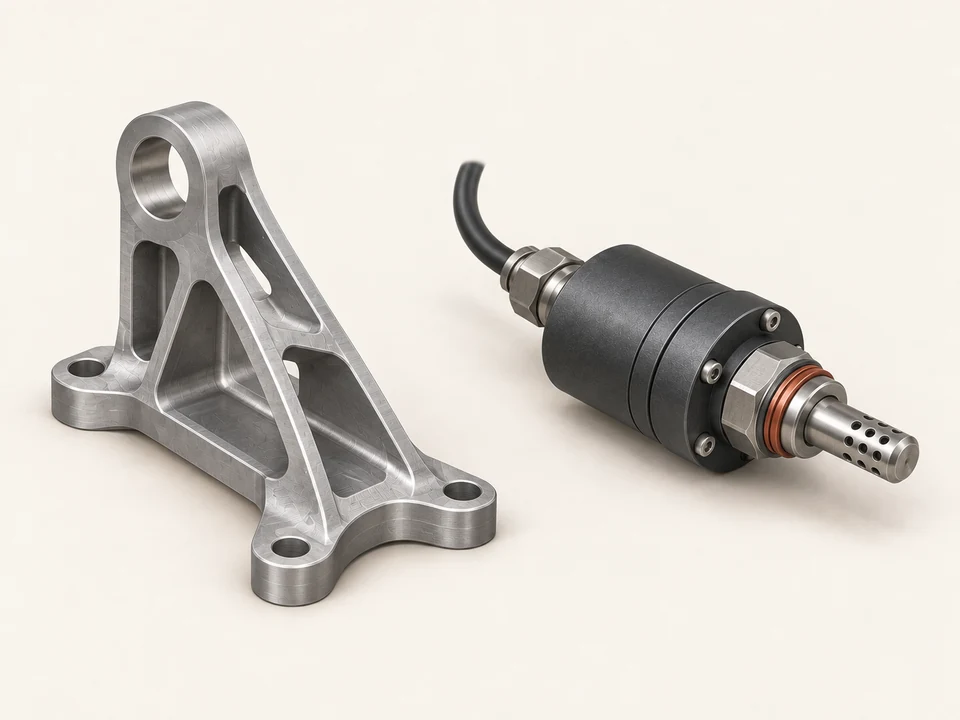
Specialised alloys and magnets are selected where mass, stability and temperature performance matter.
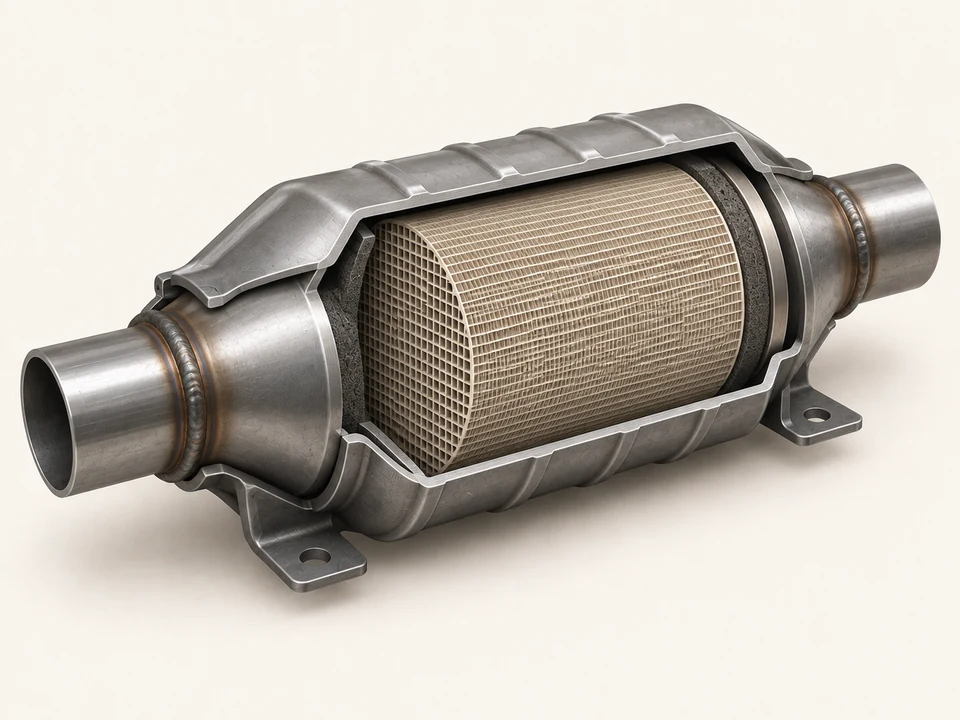
Rare-earth oxides help manage chemical reactions in vehicles, refineries and specialised industrial processes.
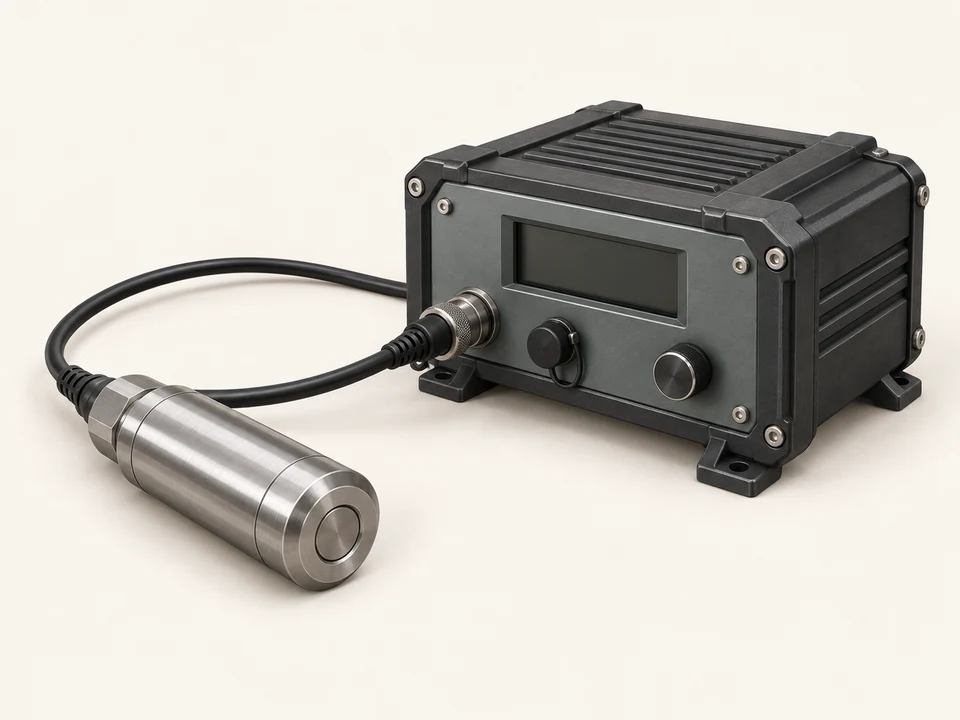
Selected isotopes and compounds absorb, detect or respond to neutrons and radiation.
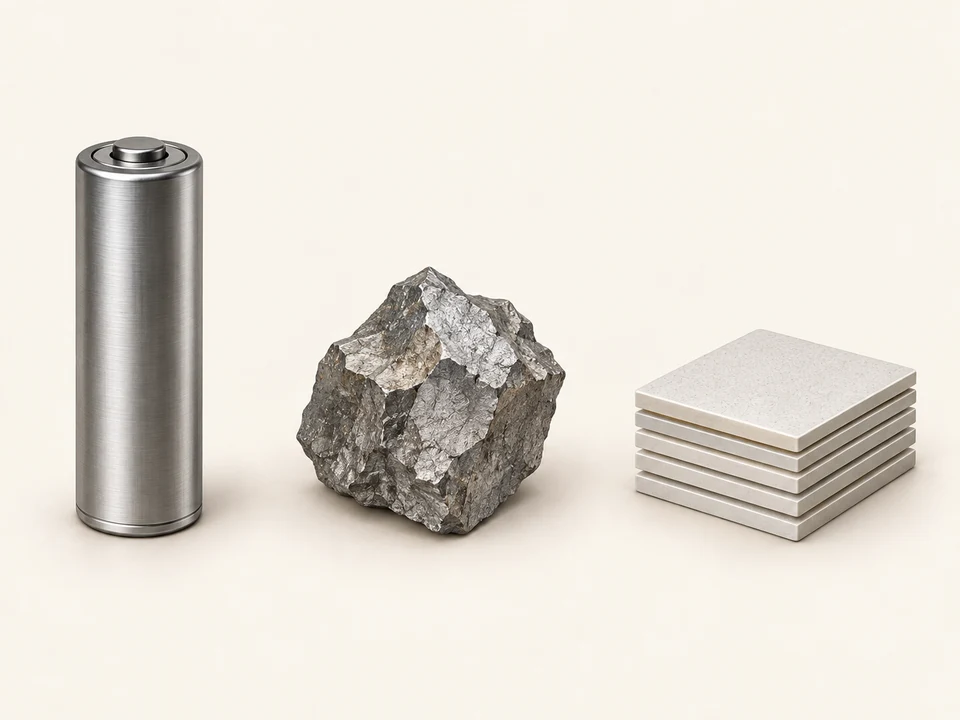
Selected rare-earth materials store hydrogen or support ion transport in energy systems.
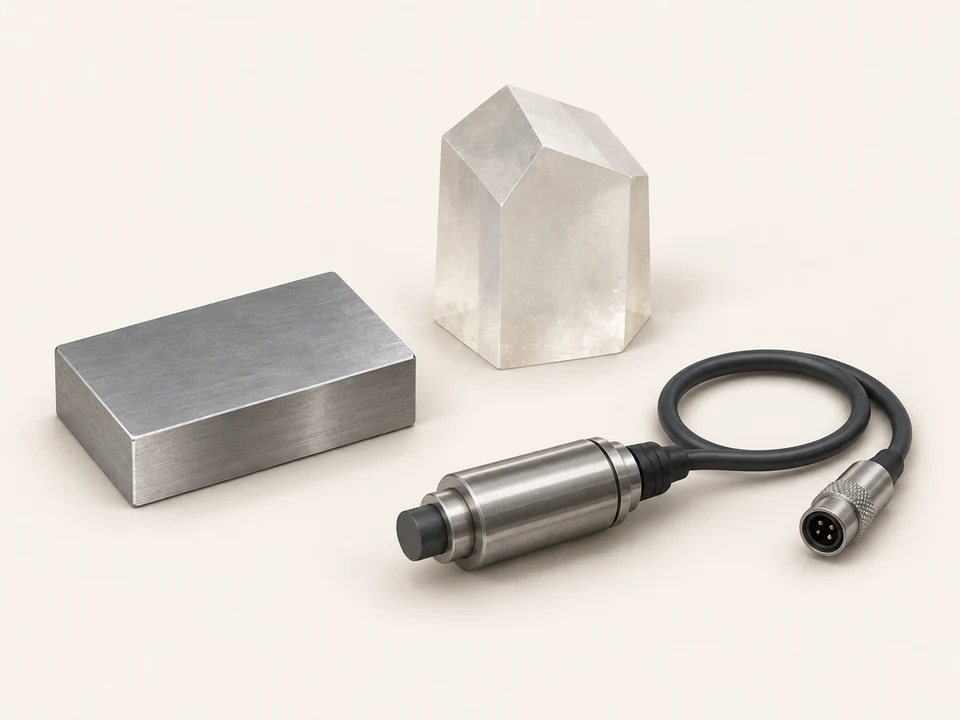
Rare-earth properties support research into stronger alloys, cooling, sensing, radiation response and quantum measurement.
The examples describe established industry uses. Designs, material formulations, quantities and possible substitutes vary by manufacturer, product generation and operating conditions. Medical and nuclear examples may involve regulated compounds or produced isotopes rather than mined elemental material.
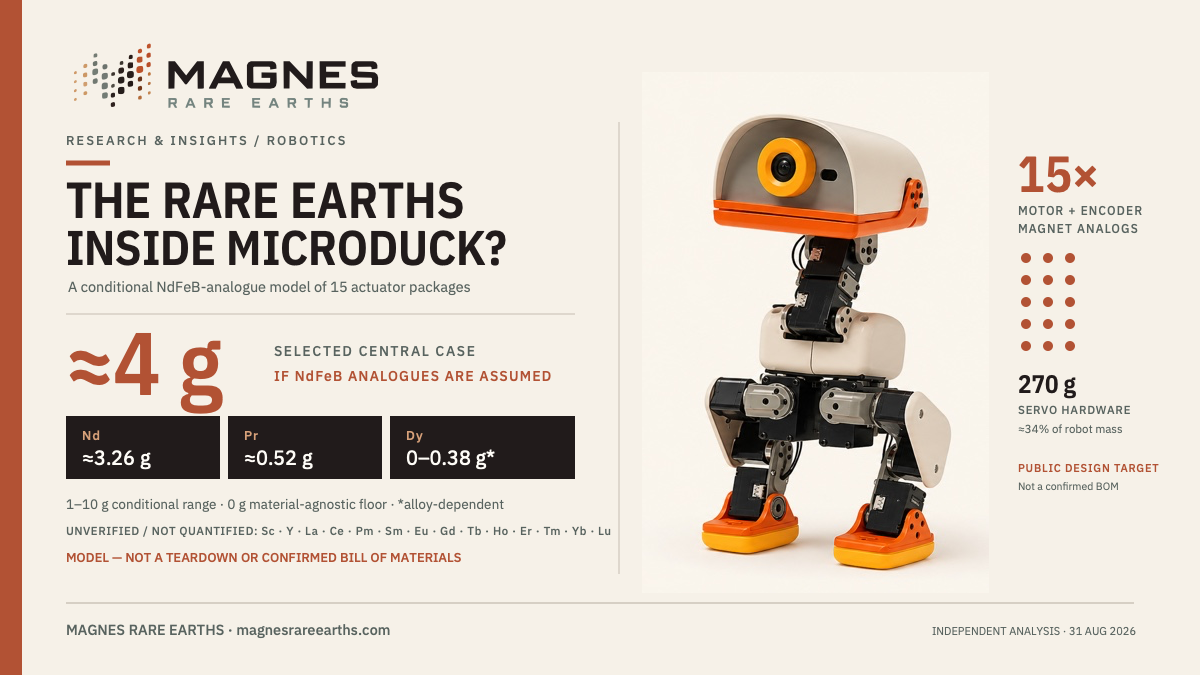
Research & insights
Follow a transparent, conditional model from 15 actuator packages to a four-gram central case—and then test what grams per robot could mean at fleet scale.
Read the Microduck analysisSources
Applications are representative rather than exhaustive. They describe industry uses of rare-earth materials, compounds or produced isotopes; they do not describe a product currently made by Magnes or establish that an element will be commercially recovered from Minas Americas.
Magnes investor updates
Receive public company announcements, technical updates and new presentations by email.
Confirm your email to subscribe. Unsubscribe at any time.