
High magnetic energy density in Nd-Fe-B systems
60NdLight rare earth
Rare-earth element 60
Neodymium
Provides much of the magnetic strength in the most powerful permanent magnets in widespread commercial use.
Reported MREO basketWhy it is used
The properties behind neodymium applications.
Distinct optical transitions used in lasers
Typical applications
Where neodymium is commonly used.
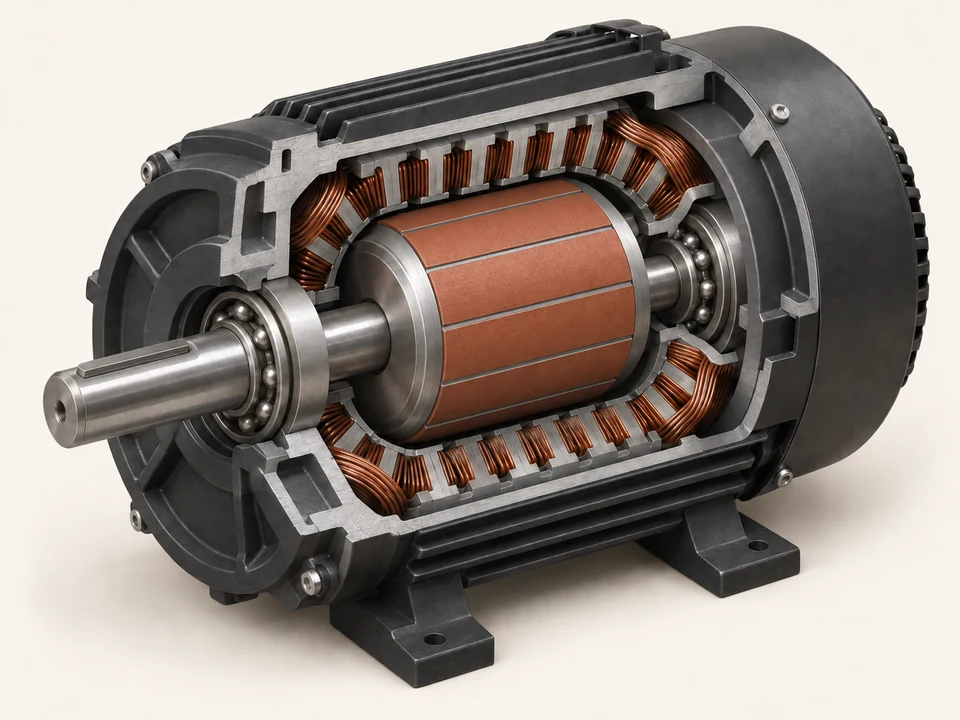
Selected electric motors, robotics and industrial-automation systems
Certain wind generators, audio equipment and data storage
Medical, scientific and industrial lasers
Applications refer to suitable rare-earth materials, compounds or produced isotopes—not raw mineral material. Product designs and formulations vary.
Connected technologies
What the element does inside a system.
Route to use
A head assay is several steps from an industrial material.
- 01Mineral-bearing material
Geology and assays establish occurrence and distribution.
- 02Recovery and separation
Testwork must establish what can be mobilised, recovered and purified.
- 03Application-grade material
Oxides, metals, alloys or compounds must meet a controlled specification.
- 04Component or system
Manufacturers design the material into a qualified product.
At Minas Americas
One of four elements at the centre of the project’s strategic focus.
Reported MREO basket
Neodymium oxide forms part of the disclosed MREO sum at Minas Americas. Neodymium is central to the magnetic strength delivered by Nd-Fe-B permanent magnets. That analytical definition does not establish recovery, separation or a saleable product.
See the magnet-basket evidence →Sources
Where the element and application information comes from.
Applications are representative rather than exhaustive. They describe industry uses of rare-earth materials, compounds or produced isotopes; they do not describe a product currently made by Magnes or establish that an element will be commercially recovered from Minas Americas.
- U.S. Geological Survey · Selected applications by element
- USGS · 2026 Rare Earths Mineral Commodity Summary
- USGS · 2026 Heavy Rare Earths summary · Scandium · Yttrium
- U.S. Department of Energy · Critical materials and applications
- International Energy Agency · Magnet rare earths and energy technologies
- Oak Ridge National Laboratory · Promethium context
- U.S. FDA · MRI and regulated contrast context · Lutetium-177 therapy context
- Magnes · Technical disclosure and claims boundary